I am going to argue, on a website that earns its keep recommending flight sim hardware, that the best upgrade most simmers could make is to stop buying hardware and go fly. This is the most honest piece in the whole cluster, and it is the one I wish someone had handed me three controllers ago: at some point in this hobby, researching and buying gear quietly becomes the hobby, and no purchase fixes that — because it was never a hardware problem.
It has a name on my deck. I call it the procrastination trap, and it is the failure mode that quietly undoes the whole upgrade order. You can build a perfect, immersion-ranked deck and still end up flying less, not more, because the buying becomes the thing you do instead of the flying.
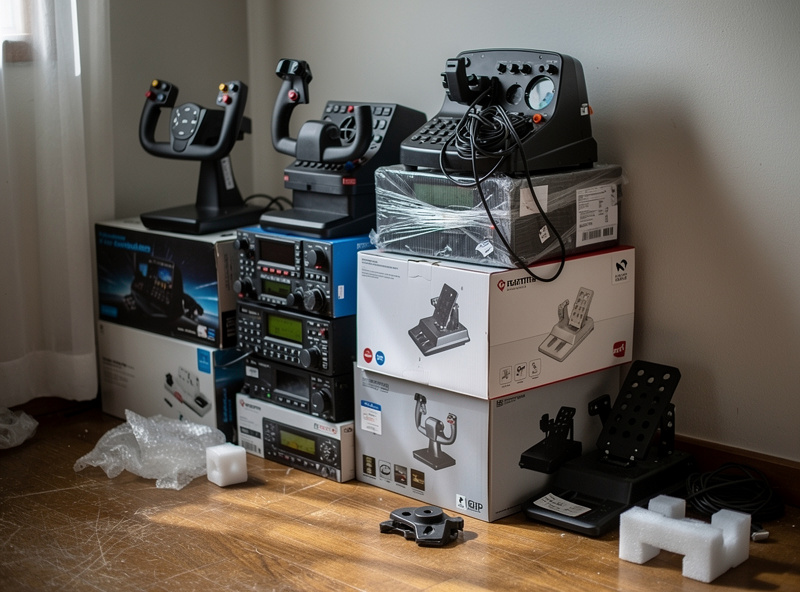
What the trap actually looks like
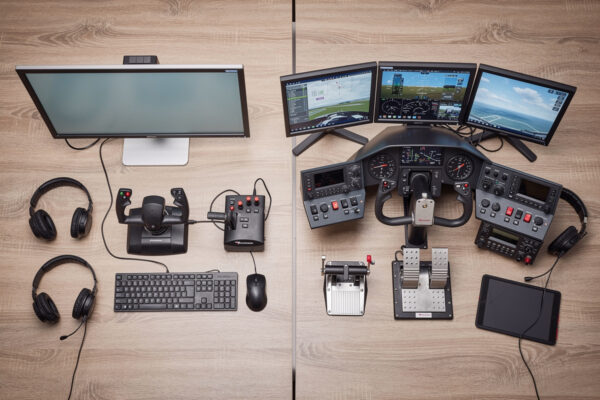
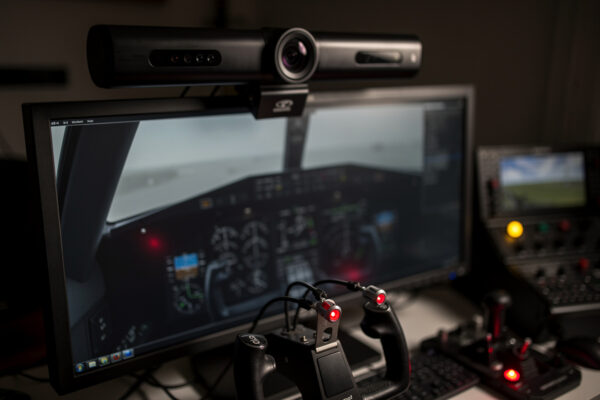
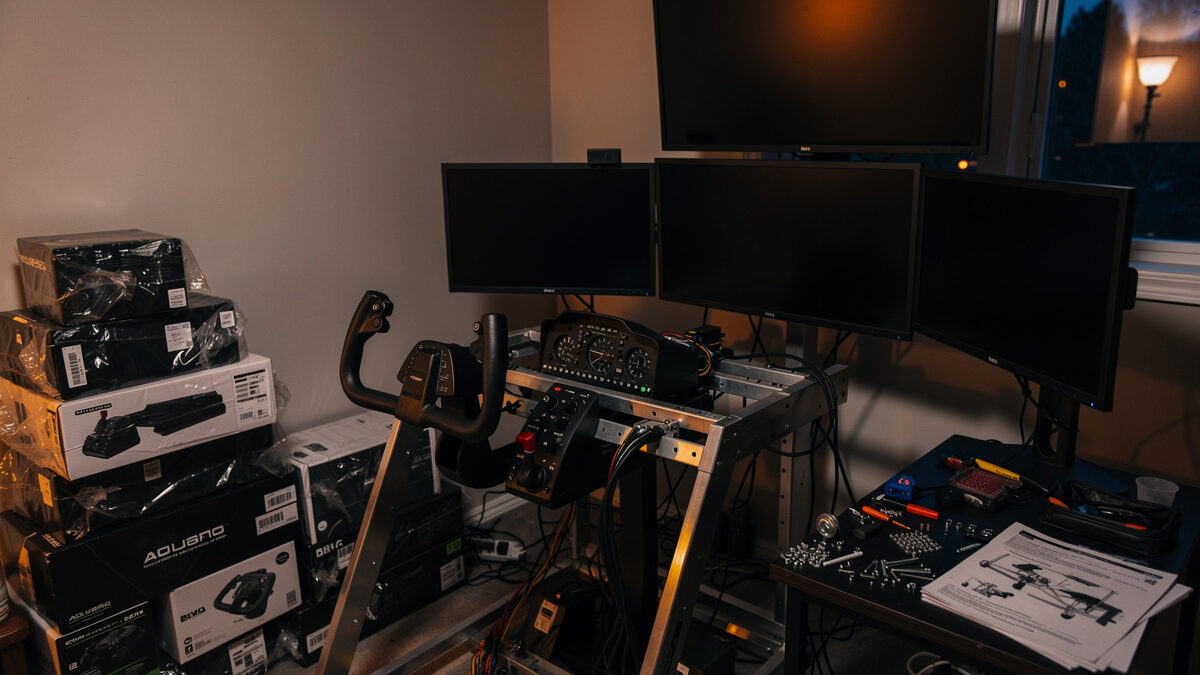
It is sneaky because it feels like enthusiasm. You finish a flight, and instead of starting another, you open three browser tabs comparing the next yoke. You watch hardware reviews instead of flying. You have a flyable deck — analog control, pedals, head tracking, everything you need — and yet your evening goes on researching a throttle quadrant you do not need yet rather than flying the deck you already built. The hardware becomes a project that is always one purchase away from “ready,” and “ready” never arrives, because readiness was never the point. The point was supposed to be flying.
The honest test is brutal and simple: are you flying more, or shopping more? If the gear has gone up but the logbook has not, you are in the trap. I have been there — staring at comparison charts for a controller upgrade while a perfectly good controller sat in front of a sim I had not loaded in a week. That is procrastination dressed as preparation, and dressing it up as “doing research” is exactly how it hides.
Why buying feels productive when it isn’t
There is a real reason this trap is so easy to fall into, and naming it helps you beat it. Buying hardware gives you a clean, finite, winnable task — choose, click, unbox, mount — with a little dopamine hit at the end. Flying well is open-ended, occasionally frustrating, and never “finished.” When a session goes badly — a botched approach, a landing you bounced — the brain reaches for the easy win, and the easy win is shopping. “Maybe I just need better pedals” is far more comfortable than “maybe I need to practice crosswind landings.”
But here is the thing nine times out of ten: the gear was not the problem. The bounced landing was technique, not hardware. The wandering heading was a deadzone setting, not a controller. Buying the next box does not fix the skill, it just postpones the practice — and quietly tells you that the next purchase, and the one after that, will be the one that finally makes you good. They will not. You get good by flying the deck you have.
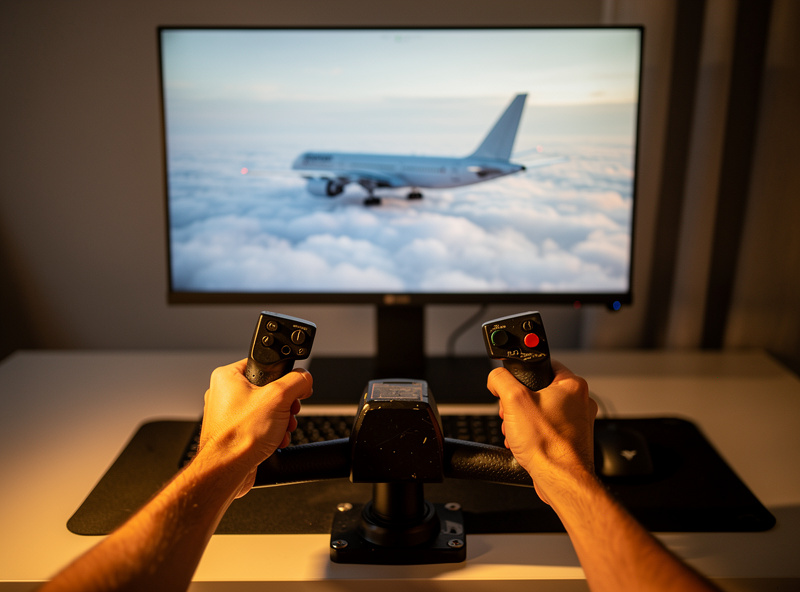
How the upgrade order is the cure, not the cause
You might think a site built on an upgrade order is part of the problem — one more list pushing you to buy. It is the opposite, and this is the part that matters. The whole reason the upgrade-order doctrine is a fixed, ranked sequence is to kill the endless comparison loop. When the order is decided, you never have to agonize over what to buy next, because you already know: it is the next rung. That removes the entire activity the trap feeds on — the open-ended researching and comparing — and replaces it with a single, boring, correct answer.
So the order does two jobs. It tells you what to buy, and just as importantly, it tells you when to stop. The discipline I hold myself to is this: buy the next rung, then fly the deck until you can name — out loud, specifically — the thing it is missing. Not “I want something new.” A specific deficiency: “I can’t do coordinated turns” means pedals; “I keep wishing I could lean past the pillar” means head tracking; “I can’t manage twin-engine power” means a quadrant. If you cannot name the specific thing the deck lacks, you do not need a purchase. You need a flight. That rule alone has saved me more money and more evenings than any piece of gear ever earned me.
A practical way out of the trap
If you recognize yourself in this, here is what actually works, and none of it costs anything. First, impose a flying-hours gate on yourself: no new purchase until you have logged a set number of hours on the current deck — enough that you genuinely know its limits. Second, when the urge to shop hits after a bad session, fly one more circuit instead; nine times out of ten the urge was frustration looking for an exit, and the next landing scratches the itch better than any box. Third, keep a short list of specific, named deficiencies — only things you have actually hit, in words — and let your next purchase come only off that list, in upgrade order. If the list is empty, congratulations: you have a deck that fits your flying, and the best possible upgrade is the hours you are about to put on it.
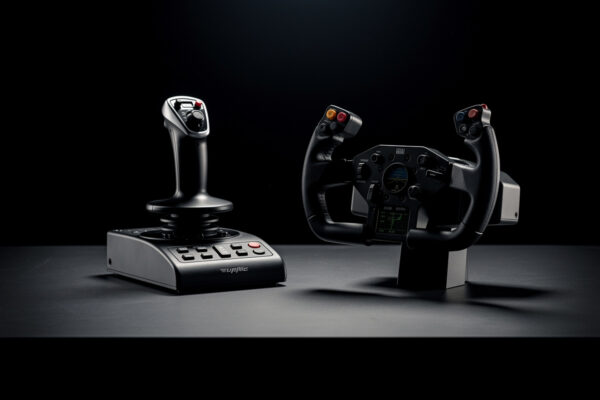
The simmers who get genuinely good, and who enjoy this hobby for years rather than months, have usually also thought hard about what hardware swap actually makes sense — like understanding the real cost and trade-offs of switching from a yoke to a stick before committing, are almost never the ones with the most hardware. They are the ones who built a sensible deck, stopped, and flew it until their hands knew it. Hours beat hardware. The deck that makes you a better sim pilot is the one you are already flying — so go load the sim, fly the pattern, and leave the comparison tabs closed. That is the upgrade. The rest of this cluster will be here when you have an honest, specific reason to come back.
Where to go from here
If reading this made you realize your deck is actually fine, good — go fly it. If it made you realize there genuinely is a named gap, take it to the order: the first-hardware guide and the yoke-versus-HOTAS decision if you are early; rudder pedals and head tracking if those are the named gaps; the budget breakdown if money is the constraint. Buy the named rung, then close the laptop and fly.
Frequently Asked Questions
What is the flight sim upgrade procrastination trap?
It is when researching and buying flight sim hardware quietly becomes the hobby instead of flying. You have a flyable deck but spend your evenings comparing the next purchase rather than logging hours. The honest test is whether your gear is going up while your logbook stays flat — if so, you are in the trap.
How do I stop buying flight sim gear and actually fly?
Set a flying-hours gate before any new purchase, fly one more circuit instead of shopping when the urge hits after a bad session, and only buy from a short list of specific, named deficiencies you have actually experienced — in upgrade order. If you cannot name the exact thing the deck lacks, you need a flight, not a purchase.
Will better hardware fix my bad landings?
Usually not. A bounced landing is almost always technique, and a wandering heading is usually a deadzone or curve setting rather than the controller. Buying the next box postpones the practice that would actually make you better. You get good by flying the deck you have, not by upgrading it.
Doesn’t a hardware upgrade order just encourage more buying?
It does the opposite. A fixed, ranked order kills the endless comparison loop by giving you one boring correct answer for what comes next, and it tells you when to stop: buy the next rung, then fly until you can name a specific missing capability. No named gap means no purchase.
How much hardware do I actually need for flight sim?
Less than the marketing suggests. An analog controller, rudder pedals, and head tracking is a complete, immersive foundation most simmers could happily stop at. The people who get genuinely good are rarely the ones with the most gear — they are the ones who built a sensible deck and flew it until their hands knew it.
Keep Building (or Keep Flying)
- The Flight Sim Hardware Upgrade Order — the doctrine that tells you when to stop.
- Rudder Pedals Before a Better Yoke — a named-gap purchase, if you have one.
- Head Tracking: The Best-Value Upgrade — the other high-value named gap.
- What $200 vs $600 Actually Buys — for when money, not desire, is the question.